UPC/EAN and ISRC: Essential Codes for Music Distribution
 Temps de lecture/Reading time : 2 minutes
When releasing a single or an album, artists usually focus on the creative side — writing, recording, designing the artwork… But there’s one crucial step that often gets overlooked: assigning identification codes.
Two acronyms keep coming up: UPC/EAN and ISRC. They may not sound very “glamorous,” but without them, it’s impossible to properly distribute your music and collect all your royalties.
In this article, we’ll explain what these codes are for, who provides them, and why they are essential for every independent artist.
UPC/EAN: The Barcode of Your Release
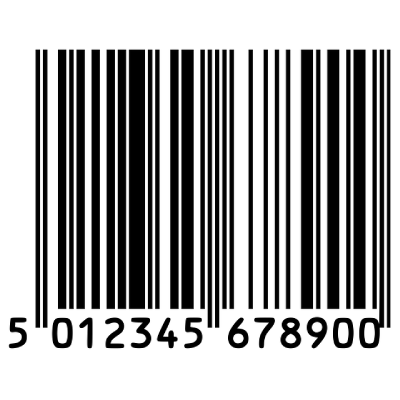
The UPC (Universal Product Code) or its European equivalent, the EAN (European Article Number), is a unique barcode that identifies a product.
In music, this “product” refers to your single, EP, or album.
Why is it important?
- UPC/EAN tells platforms (Spotify, Apple Music, Deezer, Amazon, etc.) exactly which product they are distributing.
- This code is also used as a reference in sales charts.
- If you’re releasing a vinyl or CD, it’s the same barcode you’ll see printed on the back cover.
How do you get it?
- Digital distributors (DistroKid, TuneCore, CD Baby, iMusician, etc.) automatically generate a UPC for each new release.
- If you want full control of your codes (for example, if you switch distributors), you can purchase your own directly from GS1, the official global provider.
In short: 1 release = 1 UPC/EAN.
ISRC: The Fingerprint of Each Track
The ISRC (International Standard Recording Code) is a unique identifier assigned to each audio or video recording.
Where the UPC refers to the overall product, the ISRC goes deeper — it identifies each track, version, or remix.
Why is it important?
- ISRC ensures your recordings can be identified worldwide.
- It’s used to track plays on radio, TV, streaming services, YouTube, and more — which is how neighboring rights are calculated.
- Without an ISRC, it’s difficult to prove that your specific recording was played.
How do you get it?
- In the US, artists can apply for an ISRC registrant code through the RIAA, and in the UK through PPL. This gives them the ability to generate their own ISRCs for each track.
- However, digital distributors also assign ISRCs automatically if you don’t have them.
In short: 1 track = 1 ISRC.
So, a 10-track album will have 1 UPC/EAN (the album) and 10 ISRCs (one per track).
UPC vs ISRC: How Not to Mix Them Up
Here’s an easy way to remember:
- UPC/EAN = the container (the album, the single).
- ISRC = the content (each track).
Best Practices for Independent Musicians
- Keep your codes organized: use an Excel or Google Sheet to track all your releases.
- Reuse your ISRCs if you switch distributors: this avoids losing your streaming data and stats.
- Never duplicate a code: each track must have a unique ISRC.
UPC/EAN and ISRC codes may be invisible to listeners, but they are indispensable for you as an artist. They ensure that your music is properly identified, tracked, and monetized.
Understanding how they work is an important step toward building a more professional and structured music career.
Image by OpenClipart-Vectors from Pixabay